
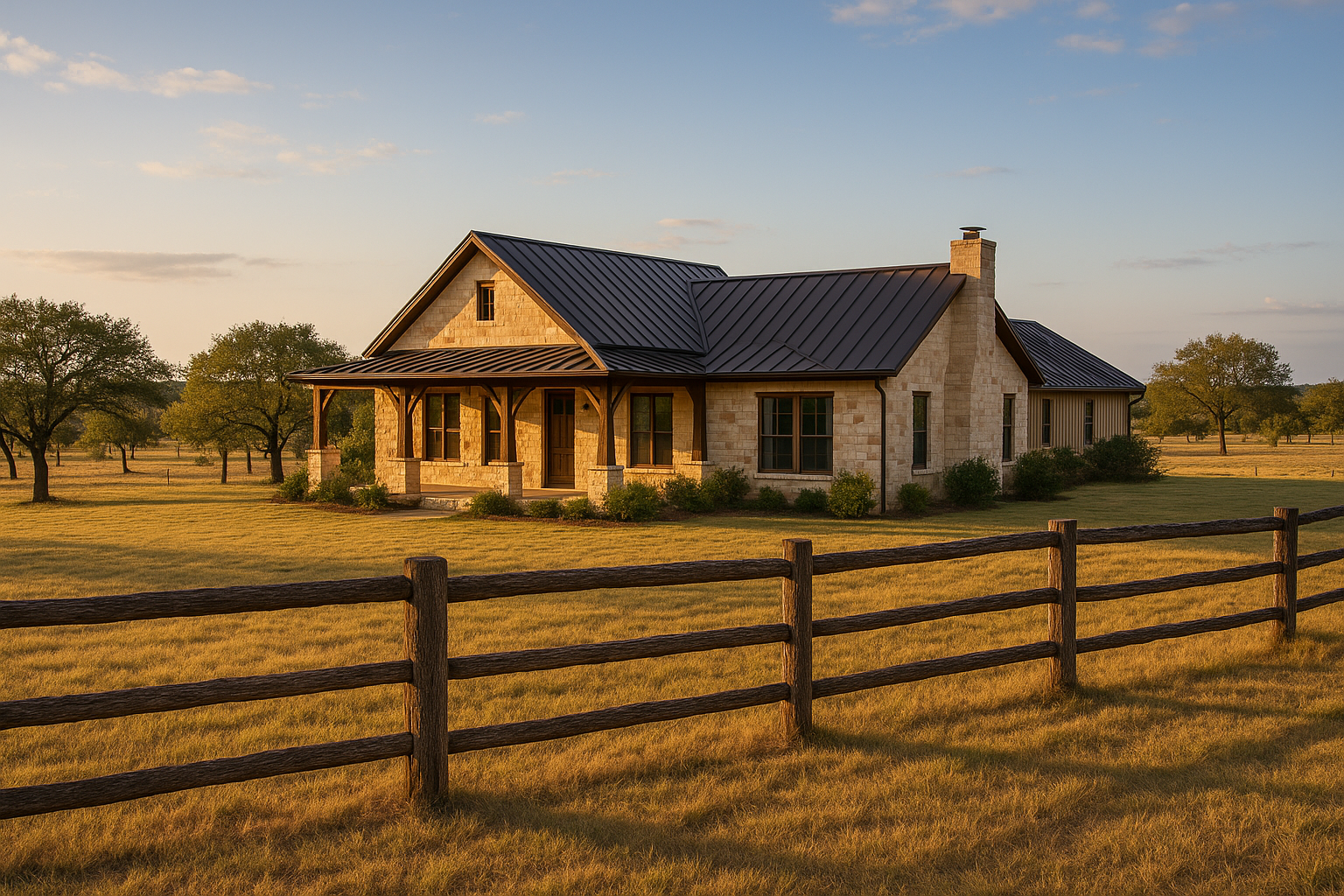
Finding the right homeowners insurance in Texas can be overwhelming, especially with the numerous choices available. As you search for the best coverage, you might notice huge differences in quotes from various companies. Knowing what affects these quotes and how to compare offers can help you save money and get better protection for your home. In this article, you will learn how to navigate Texas homeowners insurance quotes with ease. By following simple steps, you can make sure your home and belongings stay safe without breaking the bank. You will also discover tips to make the process smoother and less stressful. With a bit of research, you can feel confident about your insurance decision. Let’s explore how you can find the best Texas homeowners insurance quotes for your needs.
Understanding Texas Homeowners Insurance Basics
Homeowners insurance in Texas offers protection for your home, personal property, and liability in case of accidents or damage. Due to Texas’s frequent experience with severe weather, including hailstorms, tornadoes, and hurricanes, insurance is crucial. Many policies in Texas cover not only the structure of your house but also detached buildings, personal belongings, and loss of use if you need to live elsewhere while repairs are being made.
Please note that not all damages are covered under a basic policy. Flood and earthquake damage typically require separate policies, so you may want to ask your agent about these additional protections. Although most basic policies cover fire, theft, and storm damage, reading the fine print can help you avoid surprises.
Every insurance company in Texas follows state regulations; however, they may differ in the types of coverage they offer and the prices of their policies. You will find that understanding the basics helps you compare quotes more effectively. For example, some policies include replacement cost coverage, while others only pay actual cash value. When you know what to expect, you can make smarter choices for your home and budget.
Key Factors That Affect Your Insurance Quotes
Several factors play a significant role in determining your Texas homeowners insurance quotes. First, the location of your home is crucial because neighborhoods with higher crime rates or frequent weather events tend to have higher insurance costs. Insurance providers also consider the proximity of your house to a fire station or fire hydrant, which can impact your rates.
Another important factor includes the age and condition of your home. Newer homes often qualify for lower rates because they typically adhere to updated building codes and feature more modern safety features. If your home has a new roof or updated wiring, you may see even lower quotes from insurers.
Your personal history and credit score also play a role. Companies believe that individuals with higher credit scores are less risky to insure, so they typically receive better rates. A claims history is also essential, as homeowners who have filed fewer claims tend to pay less. If you combine all these factors, you can see how your unique situation affects your quote and what you can do to improve your chances of finding a better deal.
Comparing Quotes from Top Texas Insurance Providers
Shopping around is one of the easiest and most effective ways to find the best homeowners insurance quotes in Texas. Start by gathering quotes from at least three reputable insurance providers. Although price is important, you should also look at the coverage limits, deductibles, and any discounts each company offers.
Reputable companies like State Farm, Allstate, and Farmers have strong track records in Texas. Although big names may seem reliable, don’t overlook local or regional companies that understand the Unique risks of Texas. You may find that local providers offer unique coverage options or discounts tailored to homes in your area.
When comparing quotes, pay close attention to the details of each policy to ensure you understand the coverage and benefits. Coverage for hurricanes, hail, and windstorm damage can differ between providers. While one company may offer a lower premium, another may include valuable extras at no additional cost. Taking the time to compare all your options can help you find the best balance between price and protection for your home.
Tips to Save Money on Your Homeowners Insurance
You can use several strategies to lower your homeowners insurance costs in Texas. First, ask about available discounts with each quote you receive. Many providers give discounts for installing security systems, smoke detectors, or storm shutters. Even bundling your home and auto insurance together can lead to additional savings.
Raising your deductible is another effective way to reduce your premium. Although a higher deductible means you will pay more out of pocket in the event of a claim, it usually results in a much lower yearly rate. Before making this change, make sure you can afford to cover the deductible if you need to file a claim later.
Regularly reviewing your policy can help you avoid paying for unnecessary coverage. For example, if you downsize your valuables or update your home safety features, you might qualify for a lower rate. Even small changes can lead to significant savings over time. By staying proactive and asking questions, you can make insurance more affordable for your Texas home.
Steps to Choose the Best Insurance Quote for You
After gathering several quotes, take time to review each policy carefully. Review the coverage options, deductibles, and exclusions for each quote. Because each home is unique, you want to ensure your policy covers your home’s specific risks, such as hurricanes or hailstorms.
Furthermore, check the reputation and customer service ratings for each insurance company. Reading reviews from other Texas homeowners can provide insight into how each provider handles claims and supports its customers. A company with good service may be worth a slightly higher premium, especially when you need help after a loss.
Once you narrow your options, reach out to each company and ask questions about their policies. Talking directly to an agent allows you to clarify any confusing details and confirm that all discounts are included in your quote. When you feel confident about both coverage and price, you are ready to select the best homeowners insurance quote for your Texas home.
Summary
Taking time to find the best Texas homeowners insurance quotes pays off in both savings and peace of mind. You now understand the basics of Texas homeowners’ insurance and the factors that influence your rates. By comparing offers from top providers, you increase your chances of finding an affordable policy that meets your needs. Utilizing money-saving strategies, such as bundling insurance or increasing your deductible, can significantly reduce your premium costs. Being proactive about reviewing your coverage ensures you only pay for what you truly need. As you gather quotes, remember to look beyond the price and consider the quality of each company’s coverage and customer service. Asking questions and reading reviews helps you avoid headaches in the future. With the proper research, you will feel confident about the protection you choose for your home. Ultimately, you can relax knowing that both your home and your budget are secure.